

Biotechnologically-derived ingredients with high skin impact and low environmental impact
Moving beyond traditional natural and synthetic formulations, our skincare harnesses the power of biotech-derived ingredients. Our ingredients include bioactive enzymes and other biotech ingredients, produced biotechnologically in the laboratory using microorganisms such as bacteria, yeast and fungi – instead of extracting raw materials from nature or using petrochemicals. This enables targeted and effective skincare with a high degree of purity and stability, thanks to highly controlled production conditions. This contributes to more reliable skincare results and reduces the risk of irritation or unwanted reactions, making our formulations gentle and particularly well suited to sensitive skin. Let that sink in.
And the improvements go deeper. Every ingredient is evaluated for its environmental impact before use, during and after use. The production methods reduce resource consumption and overall environmental impact, and all our ingredients are 100% biodegradable. Read about our standout ingredients below, and explore ingredient lists for all Bioli products on their respective product pages to learn more.

Bioactive Emollient
What it does: Provides a silky-soft, lightweight finish that glides effortlessly over the skin.
Why it’s special: Completely oil-free, it delivers the softness of an oil without the heaviness, and the lightness of a water-based serum without the watery feel.

Bioactive Peptides
What is does: Strengthens the skin barrier and supports microbiome balance.
Why it's special: Unlike traditional peptides focused on collagen, bioactive peptides also support the skin's microbiome for healthier, more resilient skin.

Multi-Weight, Full-Spectrum Hyaluronic Acid (HA)
What it does: Delivers layered hydration for visible wrinkle reduction and firmer-looking skin.
Why it’s special: It’s more than just regular single-weight hyaluronic acid; it contains multiple molecular weights that work across different layers of the skin to deliver deeper, longer-lasting hydration.

Fermented Niacinamide
What it does: Helps even skin tone, reduce visible imperfections including hyperpigmentation and balance sebum.
Why it’s special: Fermentation reduces nicotinic acid, making it gentler on the skin than conventional niacinamide.

BioProtect: Superoxide Dismutase (Enzymes)
What it does: An enzyme-based antioxidant that helps protect against free radicals and oxidative stress, while reducing redness, soothing itching, and supporting skin comfort through its anti-inflammatory properties.
Why it’s special: A gentler, more sustainable alternative to traditional antioxidants like Vitamins C and E and green tea extract, offering antioxidant protection without irritation.
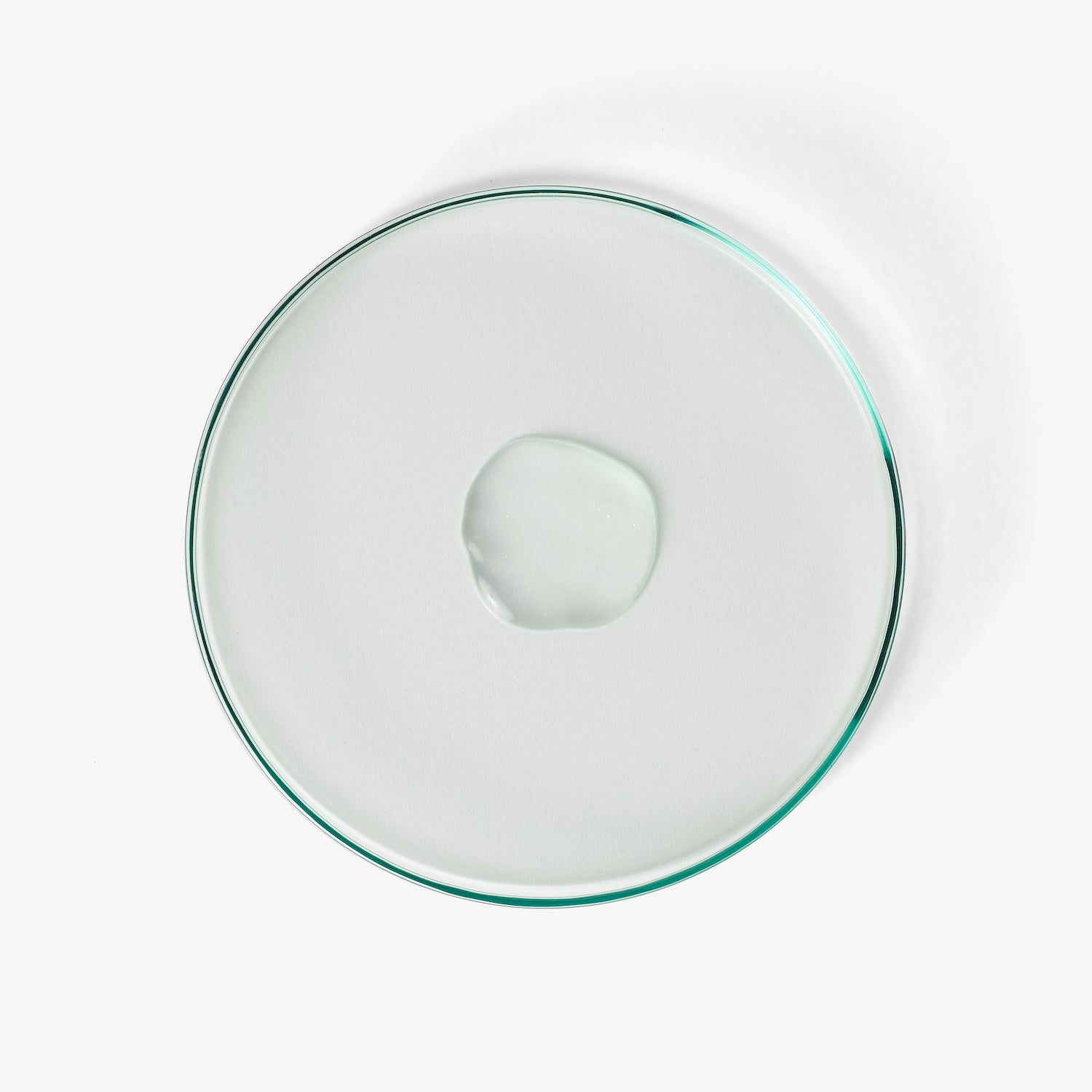
Biotech Acetylated Hyaluronic Acid
What it does: Provides up to eight (8!) hours of hydration while improving elasticity and reducing visible wrinkles.
Why it’s special: Longer-lasting, and more persistent than standard HA. This means prolonged hydration and smoother-looking skin.
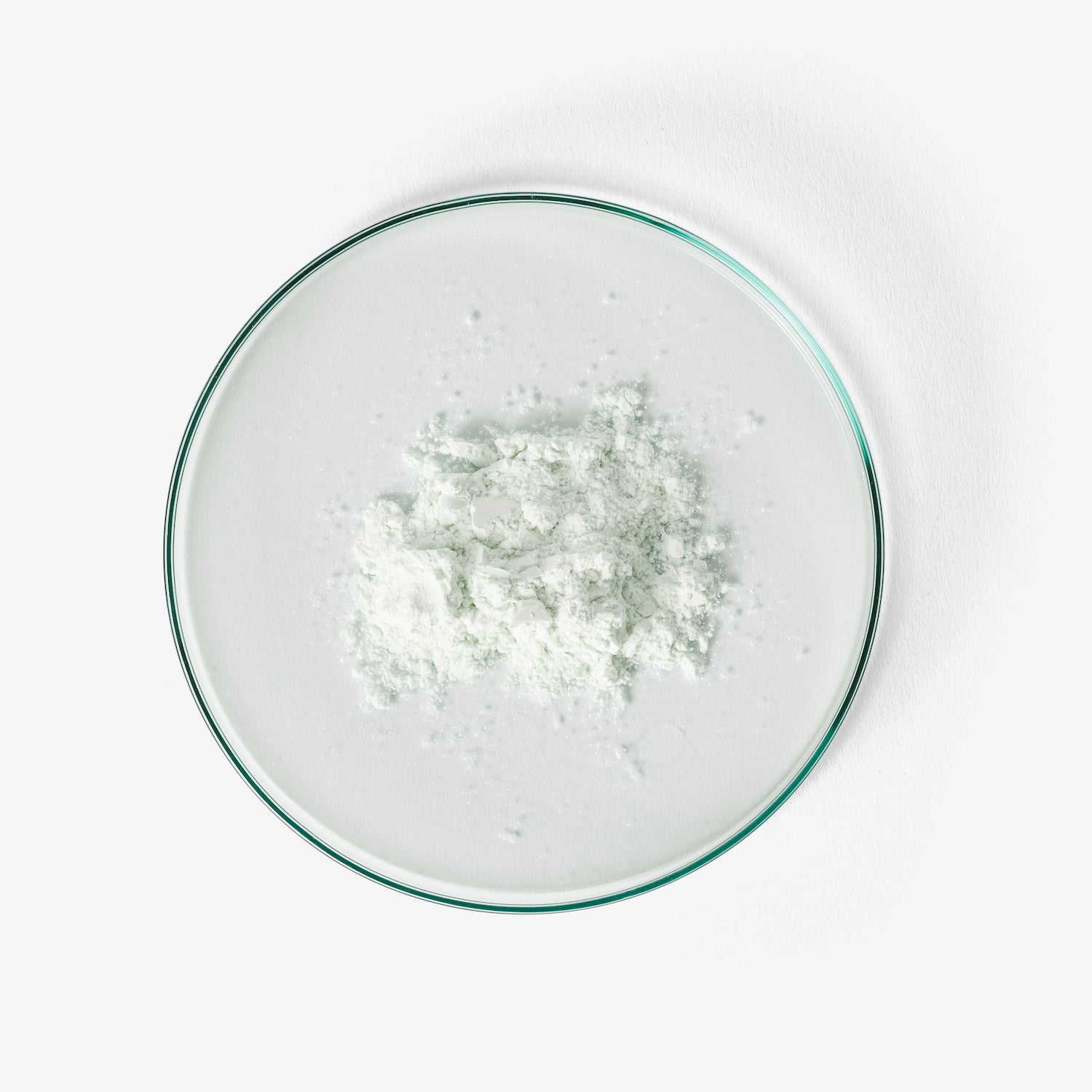
Biotech-Derived Cellulose
What it does: Enhances the texture and stabilizes formulations, making skin-tolerance more reliable.
Why it’s special: Leaves skin feeling silky-smooth. If that’s not enough, it also presents a biodegradable alternative to synthetic rheology modifiers.

BioRefine: Protease and Lipase (Enzymes)
What it does: An enzyme-based 2-in-1 technology that gently cleanses and, when left on the skin for longer, also exfoliates.
Why it’s special: Cleansing and exfoliation with protease and lipase remove dead skin cells, revealing smoother and clearer skin without disrupting the skin’s delicate balance. Compared to traditional acids like AHA and BHA, it offers a lower risk of irritation. Its 2-in-1 function allows you to use a single product instead of two.

Our packaging never becomes waste, instead biodegrading to leave no trace behind
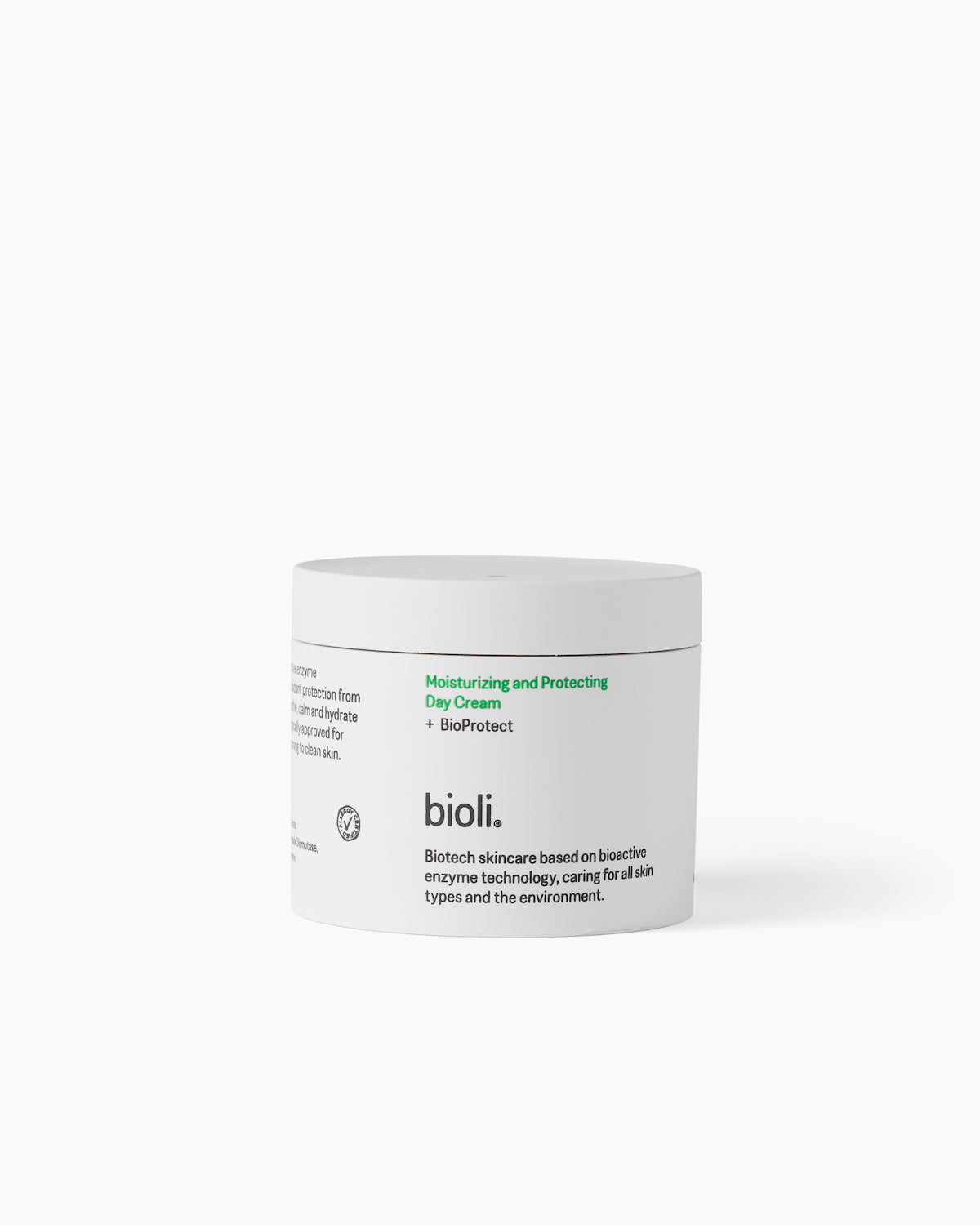
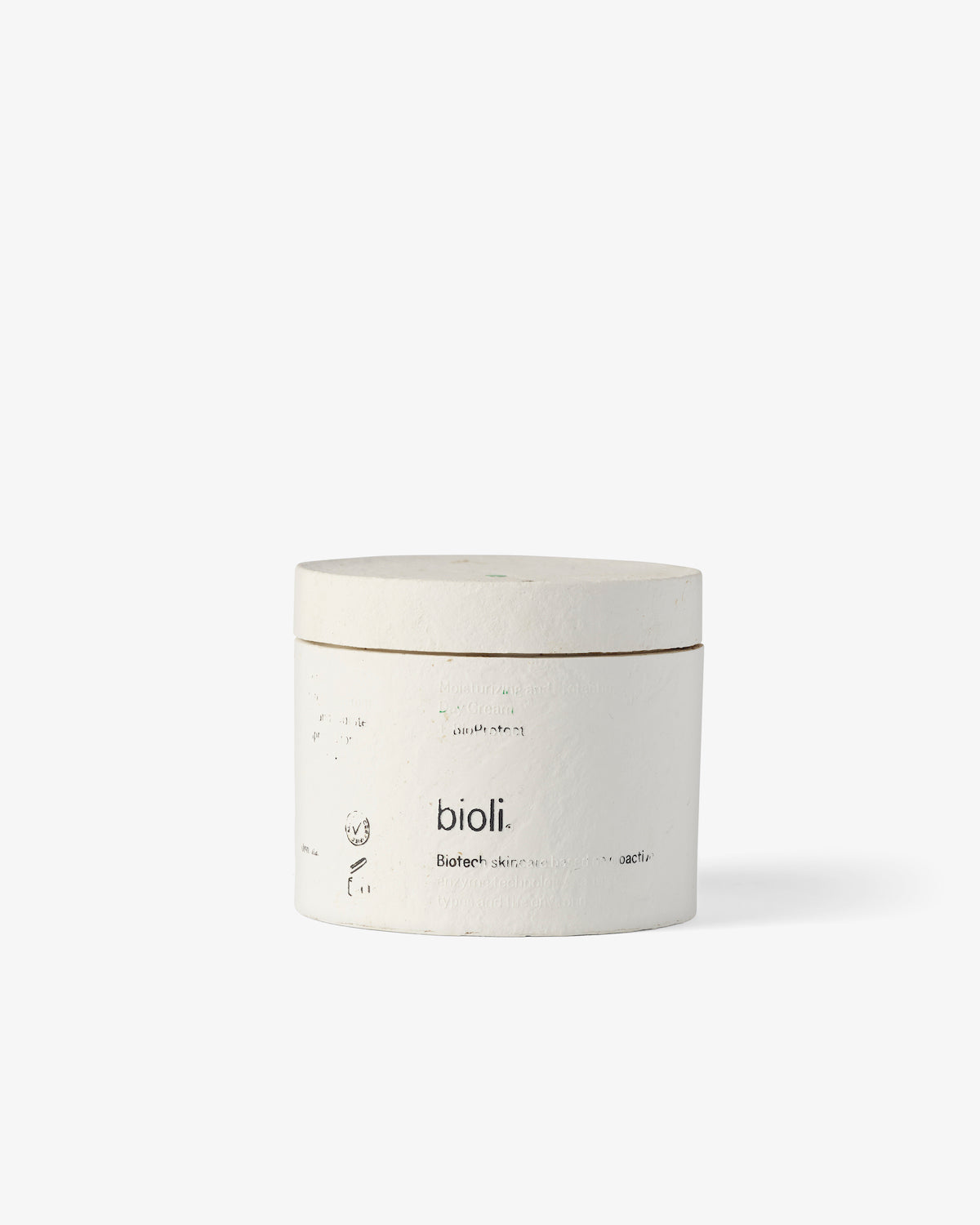
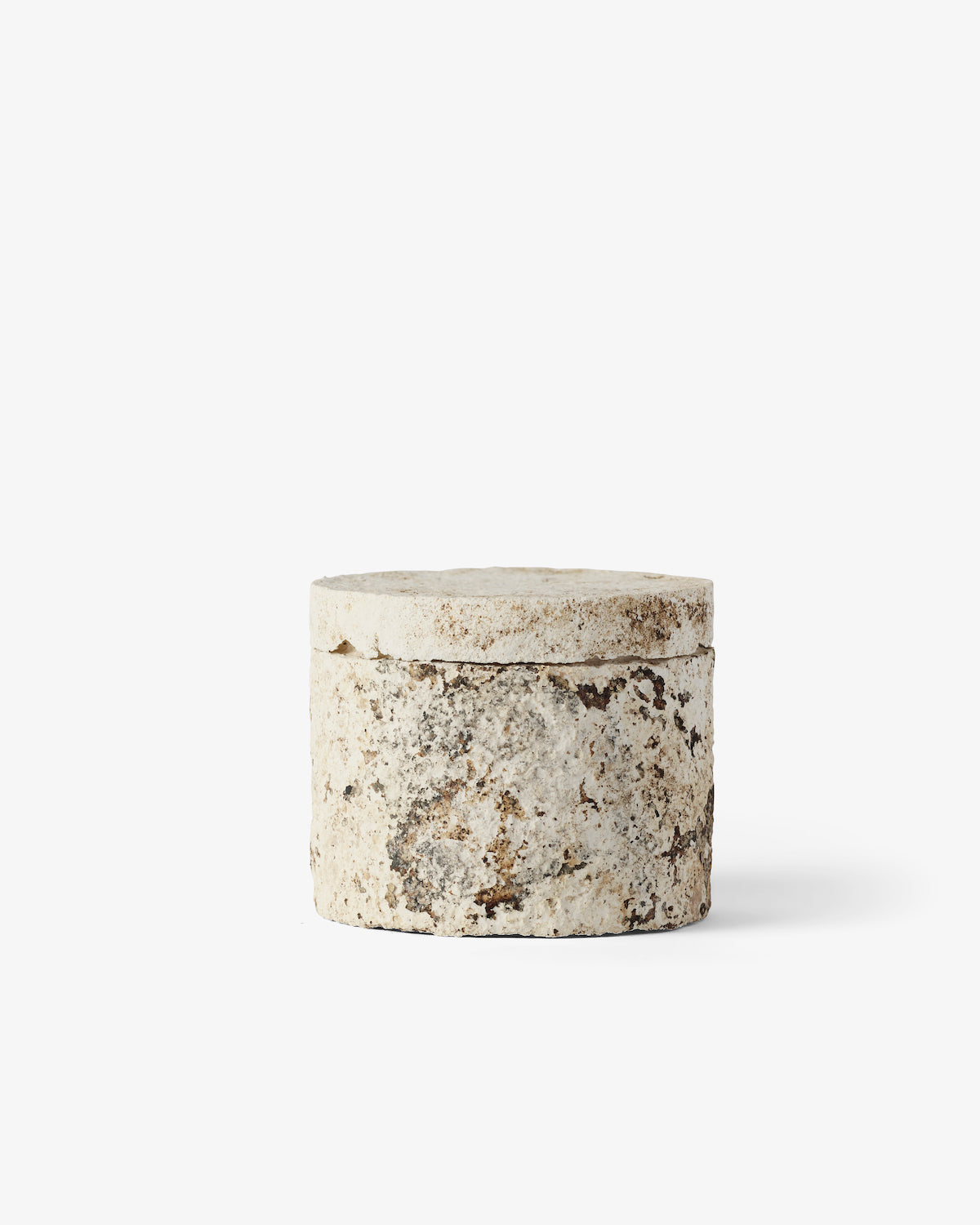
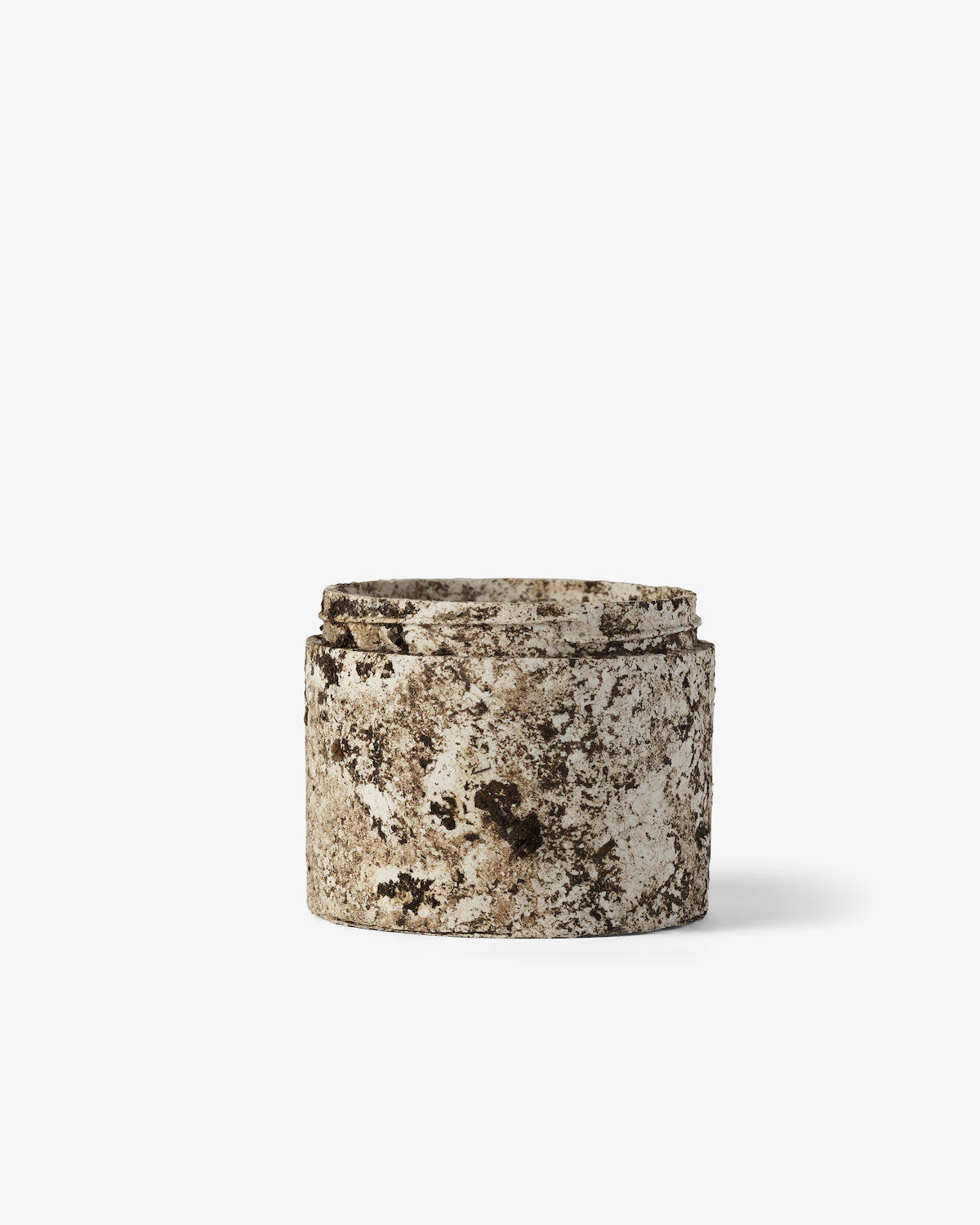
Crafted from fermented microorganisms, our 100% biodegradable jars and bottles minimize environmental impact. After use, simply place the jar or bottle into your home compost. Through enzymatic degradation, it gradually breaks down, fully decomposing within 52 weeks without a trace.
If you don’t have a home compost, place it in your general waste. In some countries (including Denmark), general waste typically goes to incineration, which is fine because the jars and bottles aare made from plant-based carbon rather than petroleum. This means they release carbon that is already part of nature’s cycle, making them much less harmful to the environment. Currently, as compostable packaging, our packaging is not accepted in the bio-waste bin, but if it ends up there by accident, it will still degrade naturally in landfill, unlike conventional plastics that can sit for hundreds of years.