
Understanding the root cause
When skin problems persist, treating symptoms alone is often not enough. Breakouts, flare-ups, and chronic irritation from acne, eczema and other skin conditions are frequently signs of deeper internal imbalance.
To understand what your skin needs, it’s important to understand the root cause and take a look at:
- What you eat and how you respond to those foods
- How you feel overall, including stress levels and energy
Skin is closely connected to these internal systems. Addressing them together—rather than in isolation—creates the foundation for lasting skin improvement.
Diet and skin
As discussed in this article, there is a clear connection between gut health and skin health—known as the gut–skin axis. In scientific literature, this relationship is described as bidirectional, meaning that what happens in the gut can affect the skin, and skin inflammation can also influence gut balance. What we eat therefore plays a major role in skin health.
Below are two key dietary mechanisms that are especially relevant.
Avoid blood sugar spikes
When we eat foods high in sugar or refined carbohydrates, blood glucose rises rapidly. These are known as blood sugar spikes. This triggers insulin release and increases levels of IGF-1 (Insulin-like Growth Factor 1).
Experimental research shows that elevated IGF-1:
- Increases sebum production in sebaceous gland cells
- Upregulates inflammatory markers linked to acne development
- Activates signaling pathways involved in lipid synthesis and follicular dysfunctio
Repeated blood sugar spikes also place stress on the hormonal system. Over time, this can disrupt androgen balance, delay skin healing, and increase sensitivity. Chronic stress further compounds the problem by increasing cortisol levels, which negatively affects both blood sugar regulation and immune responses.
Support anti-inflammatory gut bacteria: Bifidobacterium
Although there is extensive research on the gut–skin axis, the exact biological mechanisms linking the gut microbiome to skin inflammation are still being explored. However, a scientific review analyzing 23 studies on inflammatory skin conditions—including acne, psoriasis, atopic dermatitis, and chronic urticaria—found consistent agreement on one key point:
Bifidobacterium plays an important anti-inflammatory role and supports immune regulation. Higher levels of this beneficial gut bacterium are associated with improved gut balance and calmer skin.
Bifidobacterium can be supported through diet by prioritizing fiber-rich foods and fermented foods, while limiting ultra-processed foods that reduce microbial diversity.
Bioli’s skin-supportive plate: Key foods to prioritize
The goal is to stabilize blood sugar, support hormone balance, and reduce inflammation. Building meals with the right structure slows glucose absorption, supports hormone signaling, and promotes a healthy gut–skin connection.
Think of every meal as a skin-supportive plate: Fiber first. Protein always. Healthy fats included. Low sugar overall.
1. Fiber first
Begin meals with fiber-rich foods to slow glucose release and nourish beneficial gut bacteria such as Bifidobacterium.
Examples:
- Non-starchy vegetables (broccoli, leafy greens, zucchini)
- Legumes (lentils, chickpeas, beans)
- Whole grains (oats, quinoa, brown rice)
2. Protein always
Include a clear protein source at every meal to support tissue repair, immune function, and steady blood sugar.
Examples:
- Eggs, fish, poultry
- Tofu, tempeh, legumes
- Greek yogurt or kefir (if tolerated)
3. Healthy fats included
Healthy fats help reduce inflammation, support the skin barrier, and contribute to hormonal balance.
Examples:
- Olive oil, avocado
- Nuts and seeds
- Omega-3-rich foods such as salmon, mackerel, chia, and flaxseeds
4. Low sugar overall
Limiting added sugars and refined carbohydrates helps prevent insulin and IGF-1 spikes that can aggravate acne and inflammation.
What to choose instead:
- Whole foods over ultra-processed foods
- Plain, fermented, or minimally processed dairy (such as yogurt or kefir), if tolerated
- Avoid sweetened dairy products and highly processed snacks
Bioli's 3-day meal plan
This 3-day meal plan is meant as a practical example, not a rigid prescription. It translates the principles discussed in this guide into real meals, offering inspiration and a tangible starting point that can be adapted to personal preferences, cultural habits, and individual needs.
| Meal | Day 1 | Day 2 | Day 3 |
|---|---|---|---|
| Breakfast | Eggs in olive oil, avocado, chia seeds, full-fat yogurt or kefir | Full-fat yogurt or kefir, berries, ground flaxseed, walnuts | Scrambled eggs, sautéed spinach, olive oil, mixed seeds |
| Lunch | Grilled salmon, quinoa, leafy greens, olive oil & lemon | Lentil salad with olive oil, herbs, cucumber, and greens | Sardines or beans, sweet potato, mixed greens |
| Snack (optional) | Apple with almond butter | Hummus with carrots or cucumber | Pear with walnuts |
| Dinner | Mediterranean baked salmon with roasted bell peppers, zucchini, olives, cherry tomatoes, and a side of sauerkraut | Moroccan chickpea & vegetable tagine with carrots, sweet potatoes, green beans, and brown rice, seasoned with cumin, coriander, and cinnamon | Asian-inspired stir-fry with tempeh or shrimp, broccoli, bok choy, purple cabbage, carrots, and a side of kimchi or fermented pickles |
Key Principles Behind the Plan:
- Include protein, fiber, and healthy fats in every meal
- Add fermented foods to support gut bacteria linked to calmer skin
- Focus on low-glycemic carbohydrates to reduce hormonal spikes
- Include anti-inflammatory fats to support the skin barrier and immune balance
5 good daily habits
To complement your balanced plate, these simple habits can help maintain consistency and enhance results:
1. Delay morning coffee
Wait 60–90 minutes before coffee to avoid early cortisol and blood sugar spikes.
2. Start meals with fiber
Begin meals with veggies or legumes to slow glucose absorption and support a healthy gut.
3. Choose dark, colorful veggies
Opt for nutrient-rich leafy greens like spinach and kale, and include a variety of colorful vegetables, especially purple and blue ones, to reduce inflammation.
4. Practice mindful eating
Eat slowly and with attention, without unnecessary restriction. A calm, unhurried approach to meals supports digestion, reduces stress, and helps maintain healthy hormone balance.
5. Limit ultra-processed foods
Minimize processed foods and choose whole, natural options for better gut and skin health.
Mild yet effective skincare routine
- Cleanse gently: Avoid over-washing, which can strip the skin barrier. Try Bioli’s Clarifying Cleanser and Exfoliator for gentle cleansing and exfoliation.
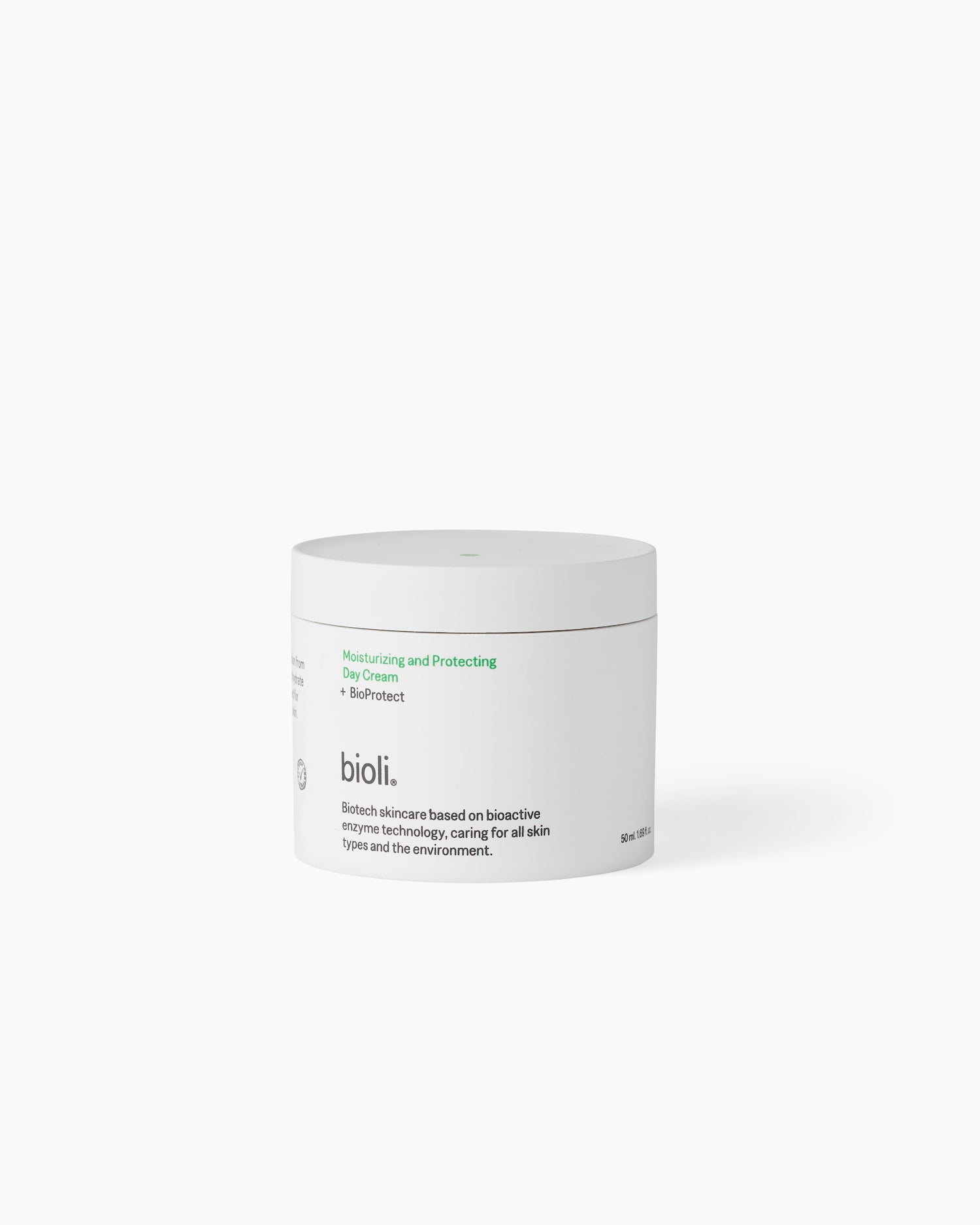
- Moisturize daily: Protects against dryness and irritation, especially for eczema. Bioli’s Moisturizing and Protecting Day Cream provides daily, long-lasting hydration while supporting the skin barrier.
- Support skin defense with antioxidants: Antioxidants help protect the skin from oxidative stress. Bioli’s Strengthening Serum and Moisturizing and Protecting Day Cream both contain Superoxide Dismutase – Bioli’s bioactive antioxidant enzyme technology for high yet gentle protection.
- Sun protection: Prevents oxidative damage, inflammation, and post-inflammatory hyperpigmentation. Use a broad-spectrum sunscreen alongside your daily skincare routine.
When combined with a balanced, skin-supportive diet, a minimal and consistent skincare routine often delivers the best results for acne- and eczema-prone skin. This inside–out approach may also support better sleep quality, reduced systemic inflammation, and overall skin resilience.